Positive Impact
SCEC has a rich legacy of positive impact, and has conserved, what have become today, some of the region's most valued areas. Thanks to Elaine Green, a former Maroochy Shire Councilor, Sunshine Coast Environment Council Manager, and SCEC Honorary Life Member who has documented SCEC's achievements, you can read about some of our achievements below.
Mount Coolum
 Mt Coolum is a Sunshine Coast landmark. In 1985 its spectacular coastal views and plant community of montane heath, that contains many rare and threatened species, was threatened by a tourist development proposal. This included a chairlift, restaurants, adventure activities such as abseiling off the rock faces and a colonial theme park at its base. A protest group - the Save Mt Coolum Committee - was formed and along with SCEC, other groups and concerned individuals - worked tirelessly to oppose the development. It was defeated by 1987, but the mountain was still open to other development proposals. It took until 1989 and a change of State government for agreement to be reached - with Mt Coolum declared a National Park in November 1990 – the walk to its summit now enjoyed by close to 250,000 people a year.
Noosa North Shore
 A proposal by Leisuremark for a massive tourist development on Noosa’s North Shore in 1987 became the subject of a Court appeal when Noosa Shire Council actually rejected the application and the developer appealed. The Queensland Conservation Council and the Australian Conservation Foundation became co-respondents in the case, assisted locally by Noosa Parks Association and SCEC. It was a landmark win for conservation when the application was rejected and only the second time in legal history that environmental grounds were considered valid evidence. The proposal included a 600 room international hotel, apartments, shops, restaurants, a 27-hole golf course, a large artificial lake with boating facilities and a bridge across the Noosa River. Guests were to fly in via a jet airstrip adjacent to the Cooloola National Park. It was a lengthy and expensive Court case that was only finalised in 1999 when the land was purchased by Noosa Shire Council and finally protected with appropriate town planning.
Maroochy North Shore
 Vacant Crown Land (R301) on the north banks of the Maroochy River did not attract the same degree of interest as the Noosa North Shore in its conservation by the Maroochy Shire Council during the late 1980s. The land known as R301 had been recommended in various State government reports since 1955 for national park status to preserve some of the last undisturbed remnants of vegetation types once common in the coastal dunes and wetlands along the coast. After a canal estate had been given approval for 157ha of privately owned land adjoining R301, SCEC and other conservation groups united in calling for protected status for R301. However, in 1988, the State government approved a development proposal for a resort on 20ha of R301 with a Ministerial rezoning, which meant no rights to appeal. SCEC, WPSQ Maroochy and the Australian Littoral Society continued to negotiate and the canal estate that became Twin Waters was required to have a weir instead of a direct tidal connection to the river. More Crown land was later given away for a golf course and SCEC was the lead agency in the final resolution in 1992 to declare the Maroochy River Conservation Park over the remaining 174ha, which includes mangrove and saltmarsh areas as well as Goat and Channel Islands. SCEC continued to campaign to have Mudjimba Island included, which took until 1998.
Emu Mountain
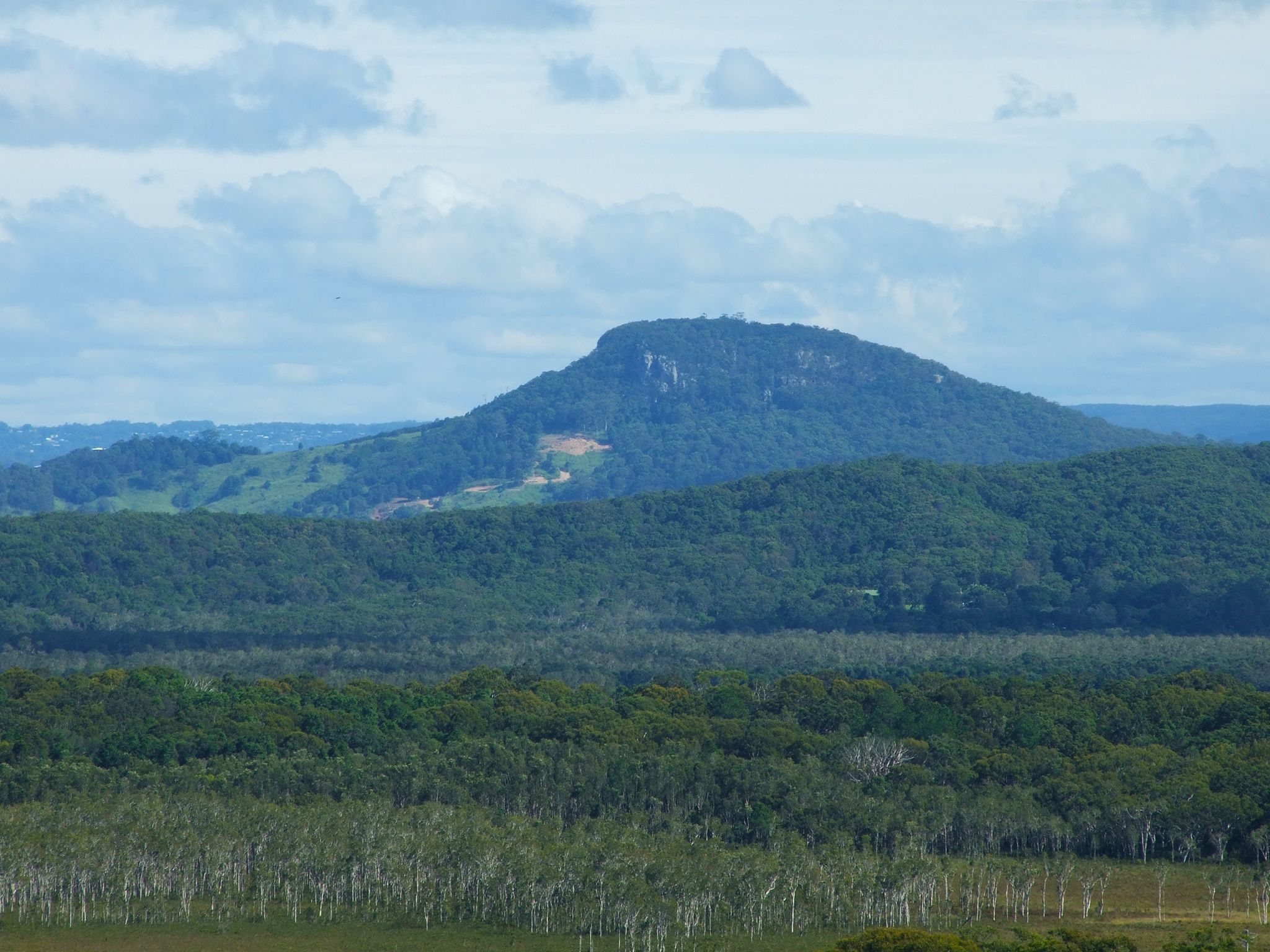 Since the 1970s wildflower enthusiasts and conservationists had lobbied for protection of this remarkable, large, rocky hill with its wildlife and unique flora, including the rare Allocasuarina emuina. Despite years of lobbying by conservationists, a Ministerial rezoning in 1987 gave the go-ahead for housing development on the southern and eastern flanks of the iconic mountain. Stage 1 went ahead in 1989 with 52 blocks and then a second stage. A change of State government in 1989 and intensive lobbying stopped a water storage tower and further stages of subdivision from proceeding. Emu Mountain is today part of the Noosa National Park.
The Sunshine Motorway
The route for Stage 2 of the Motorway became controversial in 1989 when a so-called eastern route was proposed from Peregian to Noosa Junction. Save Today Our Parklands (STOP) was formed and SCEC and NPA worked on consultative committees to negotiate the best environmental outcomes for the eventual route. Fortunately, Noosa Shire Council supported the alternative or western route which eventuated, and this had two important ramifications for conservation. The Weyba National Park was declared in 1991, preserving an incredible 1,140ha of dune and swamp land east of Lake Weyba and a development proposal by T.M. Burke for Emu Swamp (Crown Land) was finally withdrawn in 1991 with this land later incorporated into Noosa National Park.

Maroochy River Mouth
 In 1992 a shock proposal by Maroochy Shire Council to “stabilise” or rock wall the mouth of the Maroochy River estuary was made. SCEC was a strong advocate against this uninformed proposal which was subsequently defeated. A series of geotextile groynes were put in place and years of research and debate followed, with SCEC Life member Jim Cash being SCEC’s prime advocate and representative. When Council again threatened to build rock walls in 2017, this time many community groups joined in the opposition. SCEC’s advocacy over many years has led to greater public understanding of the significance of the ecology at the river mouth and the importance of allowing natural processes to be unimpeded by hard engineering.
Marcus High Dunes
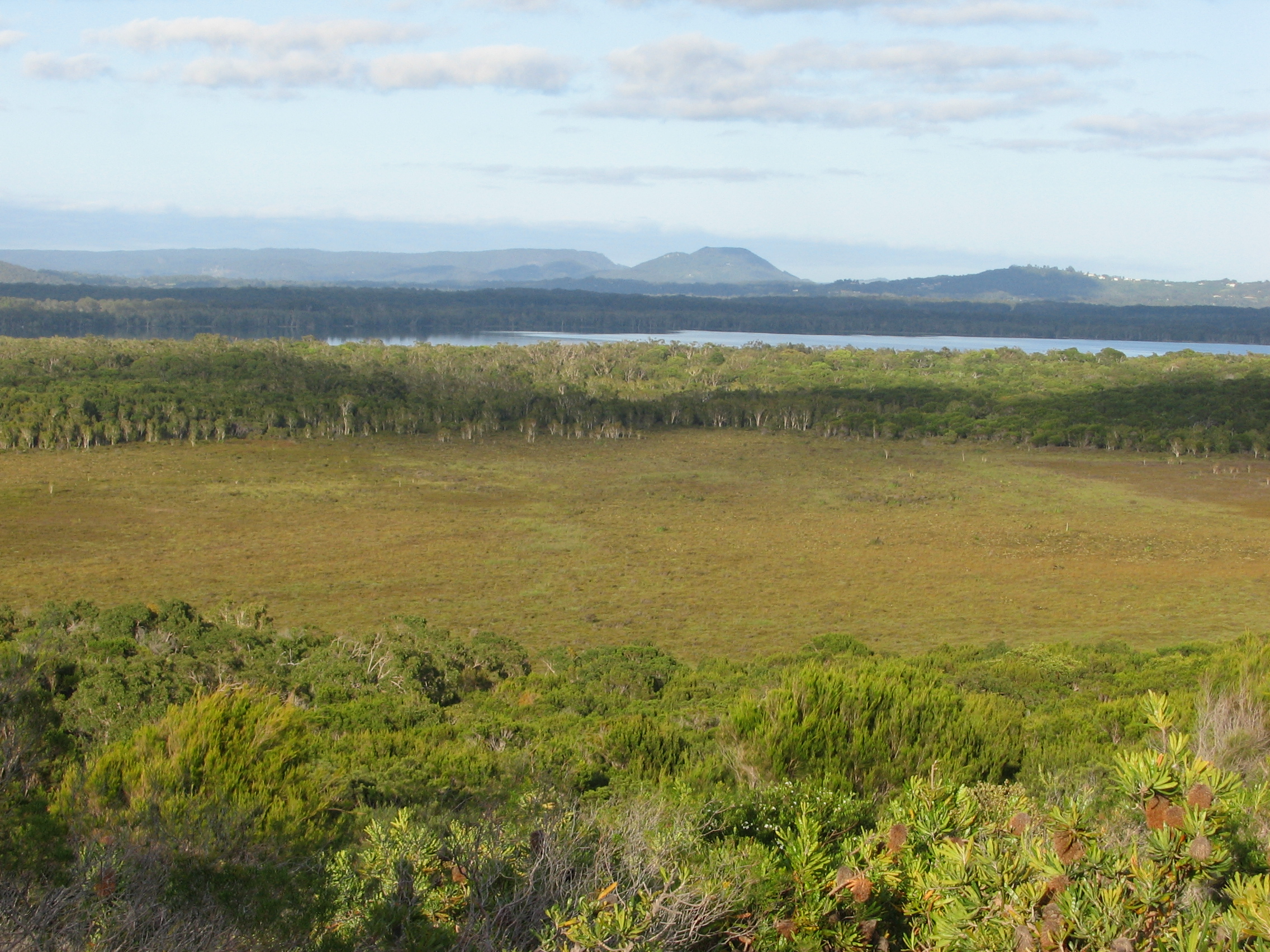 In 1994, a huge turnout of 2,500 passionate people rallied along David Low Way to protest a development of 242 houses, 24 unit sites, a large shopping centre and a resort hotel on the 60 ha Marcus High Dunes, the last sustainable remnant of high dune heath remaining in South East Queensland. SCEC worked with Noosa Parks Association and Save Today our Parkland on the campaign which culminated in Marcus High Dunes becoming part of Noosa National Park in 2001 and a vital link in the greenbelt from Noosa to Coolum.
The Conondale Ranges National Park

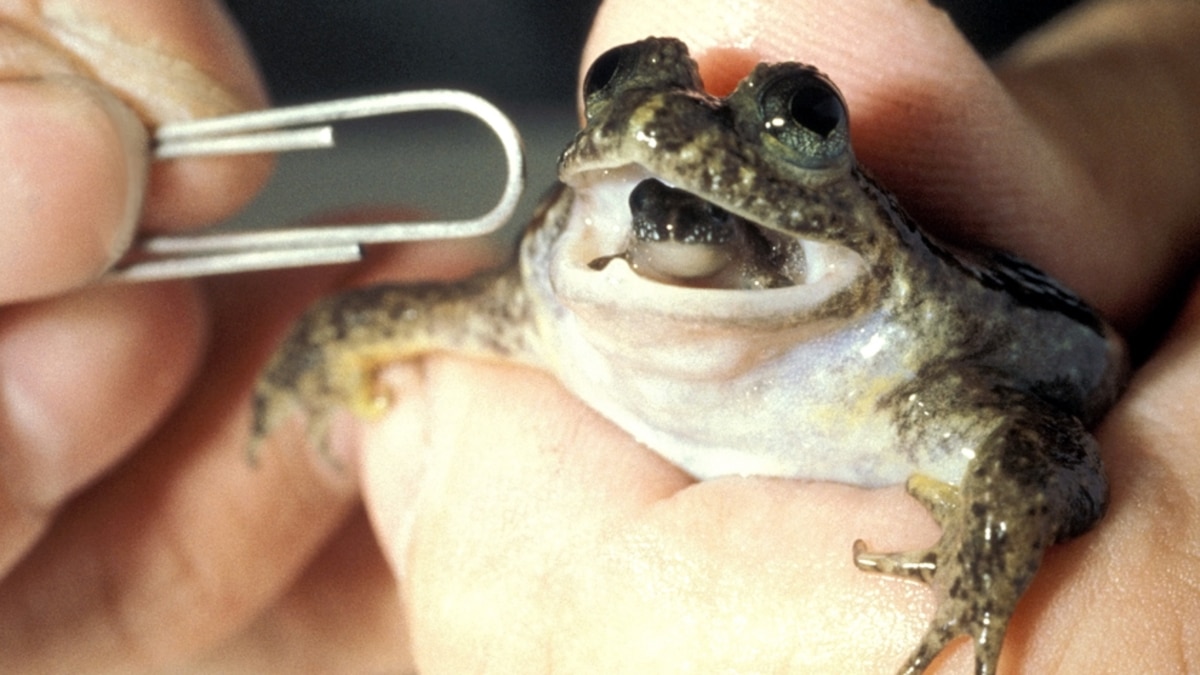
Although the focus of development pressures during the past 40 years has been along the coast, a campaign for a significant national park in the Conondales had started in the 1960s. With much of the area under control of the Forestry Department, its fate was to be cleared for Hoop pine plantations. During the 1970s scientists discovered an extremely rare species of frog called the Rheobatrachus silas or Gastric brooding frog as it became known because it swallowed and incubated its young in its stomach and spat them out when ready. A vast amount of information was gathered on the fauna of the area and a national park of 1,740ha was declared in 1977. During the 1980s a logging road was proposed to be built into a pristine area and a gold mine was given permission to be reworked. Campaigning continued with the ongoing efforts of the Conondale Range Committee and SCEC finally rewarded after a change in government in 1992. The Conondale Range National Park was announced in 1992 comprising 7,098ha with a Nature Refuge Area of 1,049ha and a Scientific Area of 300ha. Today with 35,700ha conserved, it is the largest remaining area of subtropical rainforest and associated eucalypt forest on the Sunshine Coast – a living museum and a vital refuge for hundreds of species of birds, animals and plants. The scenic Great Walk has opened up access to some of the more spectacular waterfalls and beauty spots. It is a tribute to all those who faithfully stood up for its preservation against the short term benefits of logging.
Traveston Dam
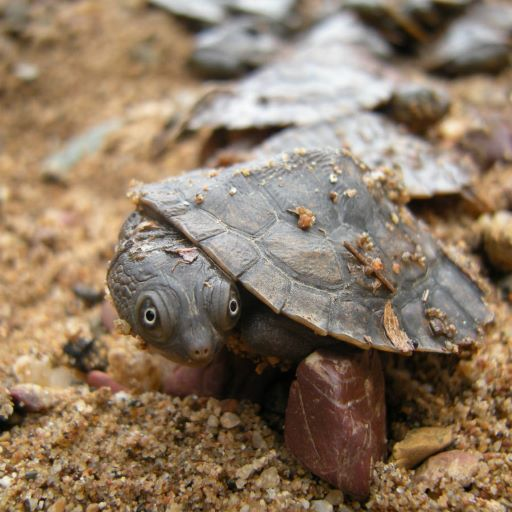
In 2006, during the millennial drought, Premier Beattie made a “bolt from the blue” announcement that a mega dam would be built on the Mary River at Traveston Crossing near Amamoor. The dam would have seen the inundation of swathes of highly productive farmland, had significant downstream impacts on the marine life and fisheries of the Great Sandy Straits Marine Park and a major impact on several threatened and endangered species in the Mary River system, most notably the Queensland Lungfish and Mary River Turtle. There was instant and widespread community opposition to the project with the Save the Mary River Coordinating Group swiftly forming. SCEC worked
with the Save the Mary group, along with several other conservation groups, on a major campaign against the project. Ultimately, despite almost all of the necessary properties having been acquired by the State Government for the project, the Traveston Dam was not approved by the then Federal Environment Minister, Peter Garrett, under the provisions of the 1999 Environment Protection and Biodiversity Conservation Act and the project was cancelled.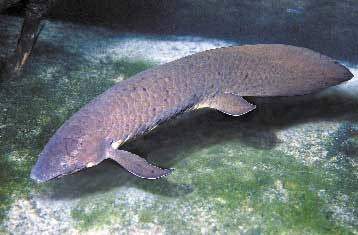

10,000 Solar Roofs Program
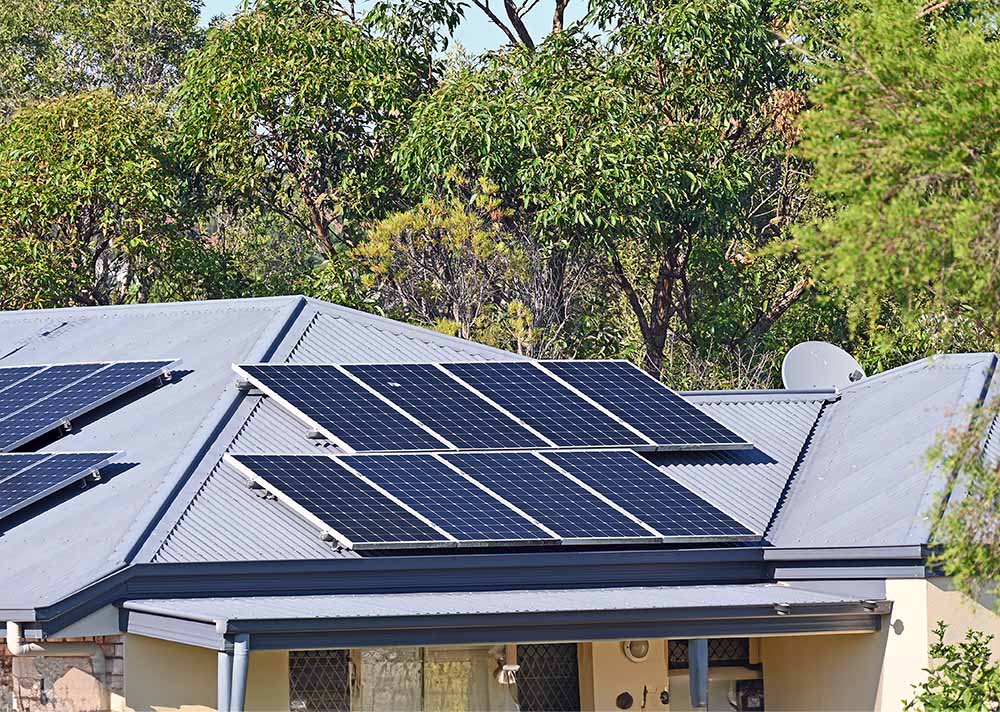 In the early 2000s, SCEC recognised the untapped potential of rooftop photovoltaic solar to reduce carbon emissions as well as electricity demand. At that time there was virtually zero uptake in Australia, despite generous government feed in tariffs available, and there were no mainstream photovoltaic installers on the Sunshine Coast. In 2008, SCEC conducted a successful trial of 10 x 1 kw systems in Caloundra, after which the SCEC 1,000 Solar Roofs program was launched. The program was hugely successful and soon became the 10,000 Solar Roofs program. In 2009, the PV solar industry began to take off nationwide and was mainstream by 2010, so SCEC’s advocacy was no longer required. That Caloundra in particular, and the Sunshine Coast more generally, were the postcodes with the most PV rooftops in the nation for a number of years can be at least partly attributed to SCEC’s Solar Roofs program.
Powerlink – Woolooga to Cooroy and Eerwah Vale Sub-station
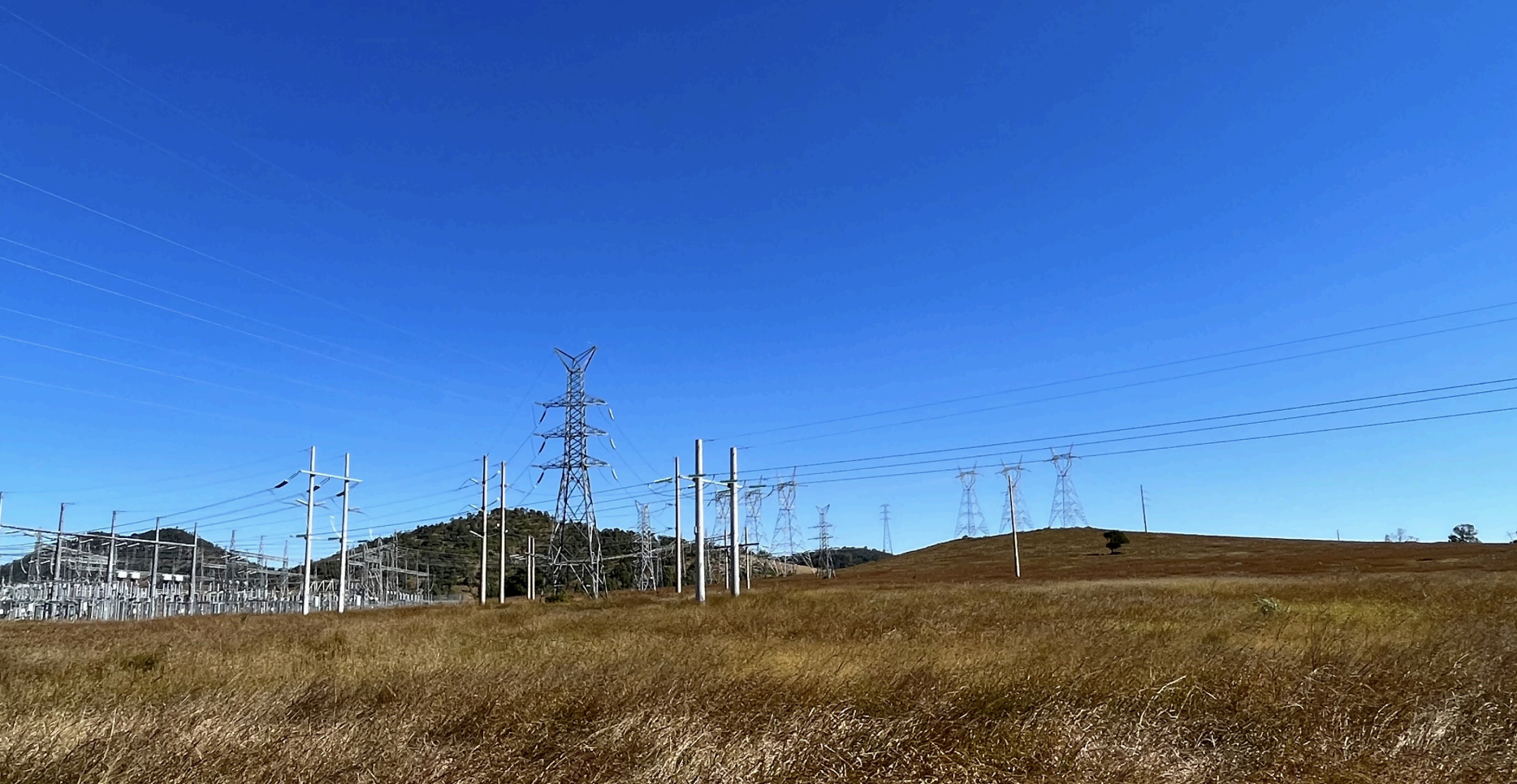 Powerlink planned to run a high transmission line consisting of 14 lines with 45 metre high poles through remnant old growth vegetation west of Eumundi. The proposed route cut through 14 consecutive properties, most of which were under voluntary conservation arrangements providing a wildlife corridor most of which included the northern most colony of the Richmond Birdwing Butterfly. Around 2007, the Powerline Action Group Eumundi (PAGE) formed in opposition to the project and SCEC worked closely with them on the campaign. This campaign was also a catalyst for the Solar Rooves project. Ultimately, as electricity demand declined, partly thanks to large scale PV solar uptake, the Powerlink project did not go ahead.
 Steve Irwin Way Forest
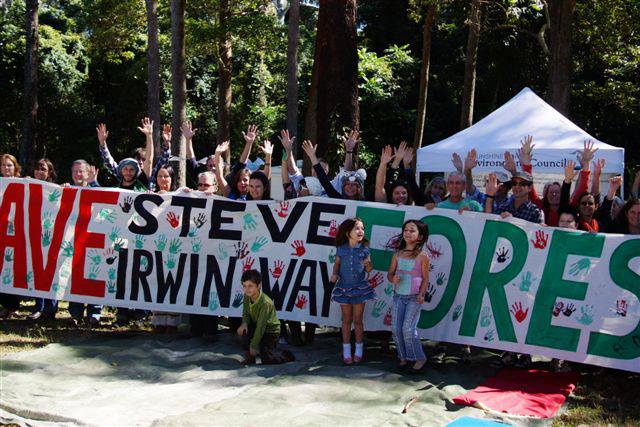
This 800 hectares of iconic native forest containing koala habitat and critically endangered lowland rainforest had been slated to become National Park under the South East Queensland Regional Forest Agreement once the leases within the forest expired. However, in 2013 the LNP State government stopped this transition process and pushed through plans to establish a motorsports complex in this high conservation value forest. It was also under threat from a massive motorway interchange that would have destroyed 100ha of the forest. SCEC had been working to progress the transition to the state forest into National Park and became involved in pushing for a better road design to reduce the environmental impacts from 2010. As the campaign evolved, The Save the Steve Irwin Forest group was formed and through community actions and media coverage, the motorsports complex proposal was withdrawn in 2014. After a change of government and continued community advocacy, the project footprint was subsequently reduced from over 75ha to 6-8ha in the forest itself and offsets for the overall project impact secured. 744 hectares of the State Forest was transitioned to National Park in 2016, making the Mooloolah River National Park one of the largest in the region at 1,670ha offering protection for threatened species and ecosystems and precious green space for residents and visitors.
Kondalilla National Park Zipline
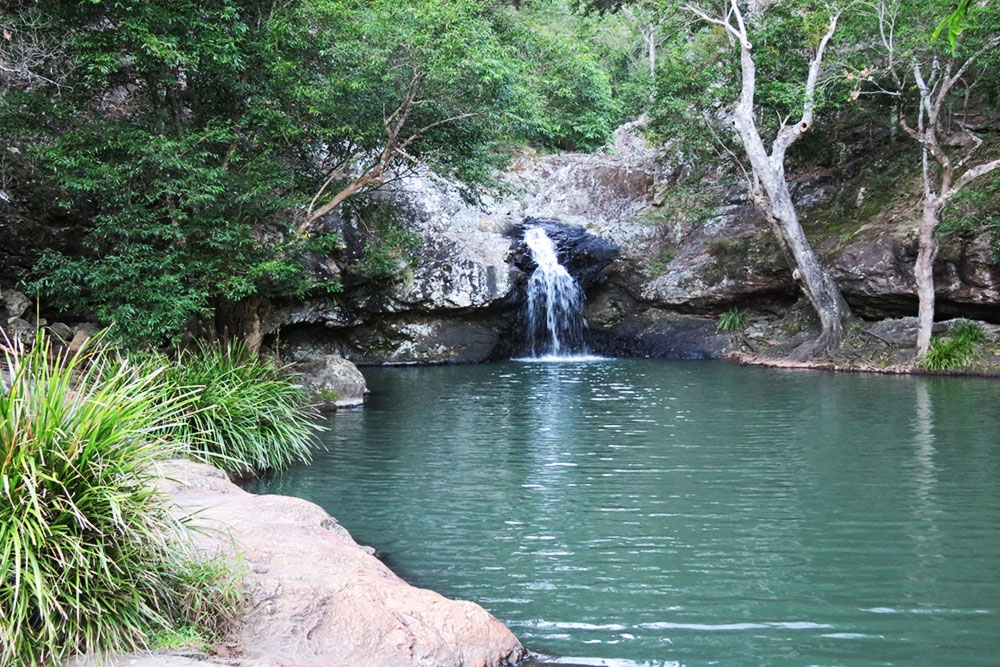 When a zipline across the stunning Obi Obi Gorge was proposed in the iconic Kondalilla National Park in 2013, SCEC joined forces with the National Parks Association of Queensland and Conondale Range Conservation. This project was being pushed through by the Newman government with no transparency or feasibility studies and little consideration of Kondalilla’s conservation values and existing popularity for passive enjoyment. It was acknowledged that well-designed and well managed ‘eco-tourism’ activities had merit but were particularly inappropriate within National Parks being significant public and natural assets. Campaigning community engagement over several years, during which time there was a change of government in 2015, the zipline proposal was finally off the agenda.
Sekisui Yaroomba Development
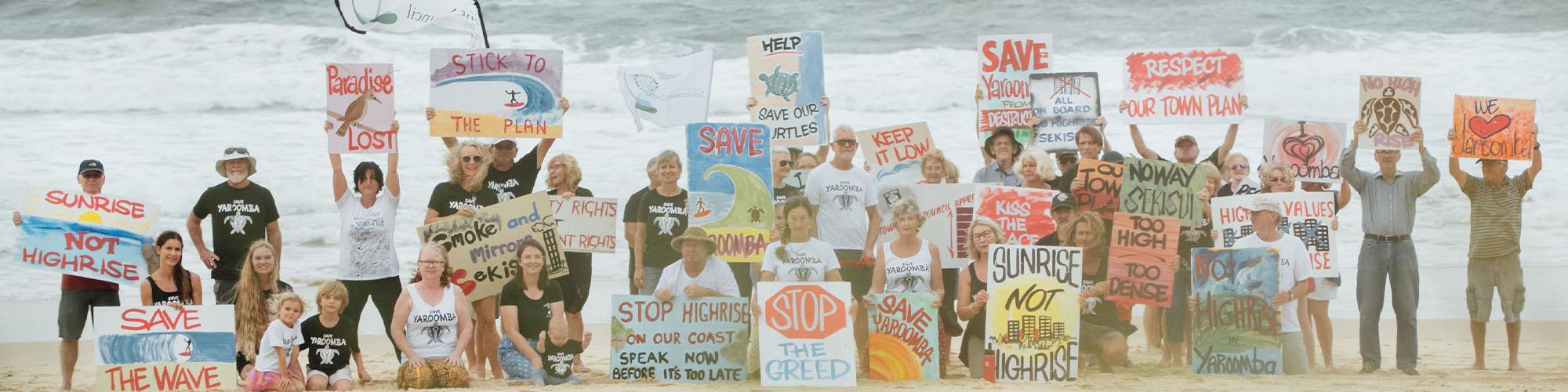
SCEC first became alarmed about this proposal when then Premier Campbell Newman made a shock announcement about the high-rise intensive development earmarked for Yaroomba in 2013. The community soon galvanised to oppose this outrageous development which threatened its sensitive coastal environment and amenity. It became one of the biggest people-powered campaigns the region has seen in recent years.
Yandina Creek Wetland
 The 200-hectare Yandina Creek Wetland emerged unintentionally in the late 2000s when collapsed floodgates allowed tidal water to reclaim former cane farmland. By 2014 it had become one of the Sunshine Coast’s most significant wetlands, supporting more than 150 bird species, including migratory shorebirds and threatened waterbirds.
When plans to reinstate agriculture and drain the wetland threatened its ecological value, a six-year community campaign—driven by local conservationists, BirdLife Australia, SCEC, and supportive residents—worked to bring the site’s importance to the attention of all levels of government. Despite early setbacks, mounting public support, national media coverage and direct advocacy eventually shifted government attitudes.
A turning point came in 2015 when Queensland Environment Minister Steven Miles visited the site, followed by growing involvement from BirdLife Australia. Soon after, Unitywater entered negotiations with the landholders, recognising the wetland’s potential for nutrient offsetting and environmental restoration. In 2016, Unitywater purchased the properties, paving the way for floodgates to be reopened and the wetland restored.
Today, Yandina Creek Wetland stands as a major biodiversity asset in the heart of the Sunshine Coast—its protection secured through persistence, collaboration, and community determination. Plans for eventual public access promise to further embed this unique landscape in the region’s future.
Continued Advocacy
SCEC exists as an amalgam of its member groups and will continue to be a strong advocate for the environment as long as people continue to care and realise that what we have now is to be treasured and safeguarded for future generations.
To find out more about SCEC's legacy and impacts, You can find here the books by Elaine Green, Green Legends and Forty Years Strong (written for SCEC's 40th Anniversary), and you can read the below article by Elaine Green, What could have been...
What could have been...
A brief story of what could have been if SCEC, its member groups and a critical mass of people had not joined together to oppose unsustainable development across the Sunshine Coast. Without these efforts, it could have been an entirely different story. Written by SCEC life member, Elaine Green/Ricketts. Read more about What could have been ...