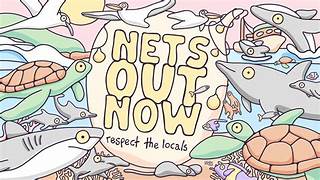
Replacing shark nets with modern non-lethal methods
The Sunshine Coast Environment Council (SCEC) is calling for a modern, non-lethal approach to beach safety that protects both people and marine life. Queensland’s current Shark Control Program (SCP) relies on outdated, lethal nets and drumlines, that catch and kill thousands of non-target species every year. With better technology now available, Queensland can replace these methods with more humane, effective shark mitigation.
Why the current system must change
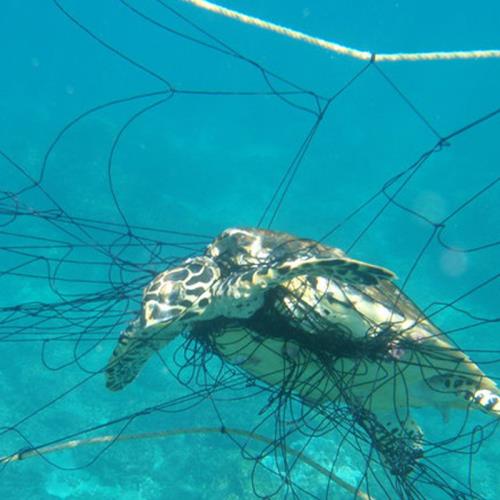 Introduced in 1962, the Queensland Shark Control Program uses baited drumlines and shark nets up to 186 metres long and just 6 metres deep. Despite their name, these nets do not create a barrier. Sharks commonly swim under or around them and many are caught while heading back out to sea.
While they fail to prevent shark encounters, they have a devastating impact on marine wildlife.
A 2014 Right to Information request revealed over 84,800 marine animals have been caught and killed in the SCP. Recent data shows this number continues to rise.
SCEC’s own review of publicly available Fisheries Queensland data uncovered alarming Sunshine Coast and Rainbow Beach impacts, including:
- 23 critically endangered Grey Nurse Sharks killed locally
- Significant entanglement of dolphins, turtles, whales and rays
- Local waters accounting for almost all reported Grey Nurse Shark captures in Queensland
Impacts on Whales
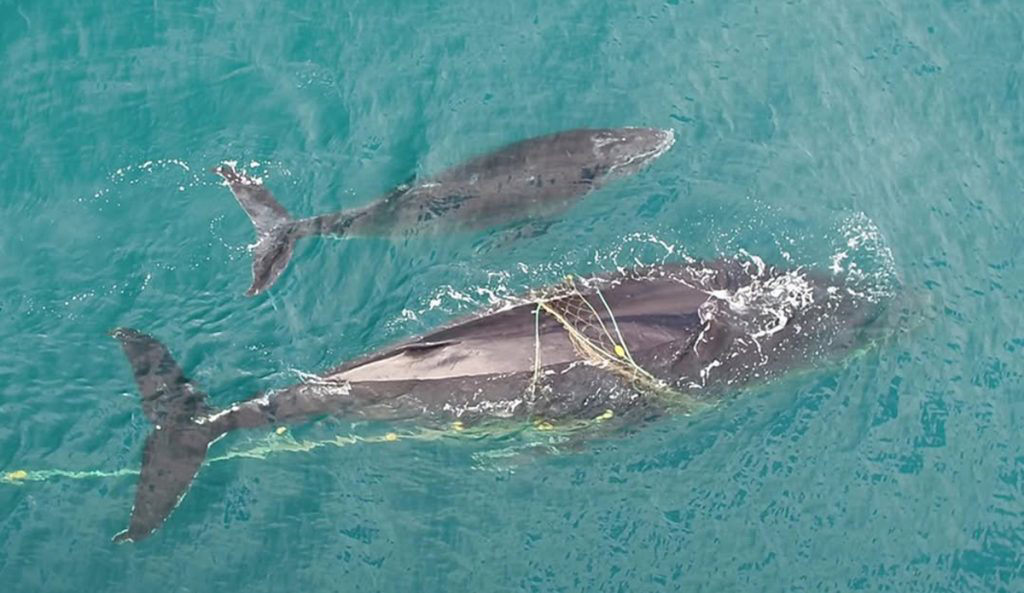 Queensland’s iconic Humpback Whales become entangled too, with up to 15 whales being entangled per year.
While NSW removes shark nets during whale migration season, Queensland continues to leave lethal equipment in place year-round—despite repeated entanglements.
Over the past two years, several Humpback Whales — including mothers and calves — have become entangled in shark nets along the Sunshine Coast, requiring complex rescue operations to free them. These repeated incidents during the annual migration highlight how dangerous shark nets are for whales and reinforce the urgent need to replace outdated lethal gear with modern, non-lethal alternatives
There are better solutions
Across Australia and the world, non-lethal shark mitigation technology is delivering excellent results. SCEC is advocating for the Queensland Government to replace lethal nets and drumlines with modern, science-backed alternatives, including:
- Aerial drone surveillance to detect sharks and alert lifeguards
- Sonar detection systems that trigger alarms when large marine animals enter the area
- Eco-barriers at low-energy beaches that allow marine life to pass while reducing risk to swimmers
- Shark Spotter programs using trained observers and elevated vantage points
- Personal shark deterrents, now recommended by experts as effective and affordable
These approaches protect beach users AND marine life—without the widespread killing caused by lethal gear.
Trialing modern non-lethal methods
In 2020 the Queensland Government and Surf Life Saving Queensland launched a SharkSmart drone trial from Coolum North to Alexandra Headland, later expanding it across the Gold Coast, North Stradbroke Island, and North Queensland.
While this trial is a positive step, nets and drumlines remain in place, continuing to entangle threatened marine animals. SCEC is urging government to remove this outdated equipment, at the very least during the annual Humpback Whale migration.
Why Sharks matter
Sharks have shaped ocean ecosystems for over 400 million years. As apex predators, they regulate prey species, maintain healthy fish populations, and support marine biodiversity. Many shark populations are now in decline due to overfishing, habitat loss and bycatch.
An ocean without sharks is an ocean in collapse.
Protecting sharks is not only an environmental responsibility—it is essential for the long-term health of our oceans and all who depend on them.
SCEC's campaign involvement
SCEC is aligned with Oceans for All and is a member of the Nets Out Now alliance, working alongside AMCS, Sea Shepherd, Coolum & North Shore Coast Care and many dedicated volunteers.
Our work includes:
- Analysing ten years (2007–2020) of Fisheries data for Sunshine Coast to Rainbow Beach
- Documenting 894 non-shark species caught in nets over this period
- Presenting evidence to the Senate Inquiry into Shark Mitigation and Deterrent Measures
- Supporting community groups at public hearings in Byron Bay and Brisbane
- Briefing local councils and advocating for net removal during whale migration
- Calling for trials of modern technology in Sunshine Coast canals and beaches
Local bycatch data (2007–2020)
- 91 dolphins
- 12 whales
- 8 dugongs
- 195 turtles
- 264 rays
- 107 tuna
- 25 Grey Nurse Sharks
This level of mortality is unacceptable—and preventable.
What you can do
Help us secure a safer, smarter, and kinder approach to shark control in Queensland:
- Sign the petitions
Sign the Petition and add your voice to the growing call for change.
*Please note this is a change.org petition, and we are not seeking donations on the petition site.
- Contact decision-makers
Write to the Queensland Premier, Environment Minister, and Minister for Agricultural Industry Development and Fisheries. Tell them you want:
- shark nets and drumlines removed
- non-lethal technology expanded
- whale-safe measures implemented immediately
- Share the message
Help us build community awareness and pressure. Follow SCEC on social media and share campaign updates.
Together, we can replace the nets
The technology exists. The evidence is clear. Queensland’s lethal shark control program is outdated, ineffective, and unsustainable.
SCEC will continue advocating for modern, humane shark mitigation that keeps people safe while protecting the extraordinary marine life of the Sunshine Coast.